AI SEO tools in 2026 fall into two distinct categories: established platforms like Semrush and Ahrefs that have bolted AI features onto traditional keyword and content workflows, and a newer wave of AI visibility trackers built specifically to monitor whether brands get cited inside ChatGPT, Perplexity, and Google’s AI Overviews. Most teams need tools from both categories now, because ranking well on Google no longer guarantees traffic the way it used to.
Why This Shift Happened
The numbers explain the urgency. A randomized field experiment pre-registered with the AEA RCT Registry found that Google AI Overviews reduced organic clicks on triggered queries by 38%, while zero-click search rose from 54% to 72%. Separate longitudinal research from Seer Interactive, tracking 2.43 billion impressions across 53 brands and 5.47 million queries over 14 months, found organic click-through rate on AI Overview queries collapsed from 1.76% to 0.61% before partially recovering in early 2026. Coverage also varies sharply by industry — healthcare and B2B technology queries now trigger AI Overviews roughly 82–90% of the time, while e-commerce queries were largely spared to protect ad revenue.
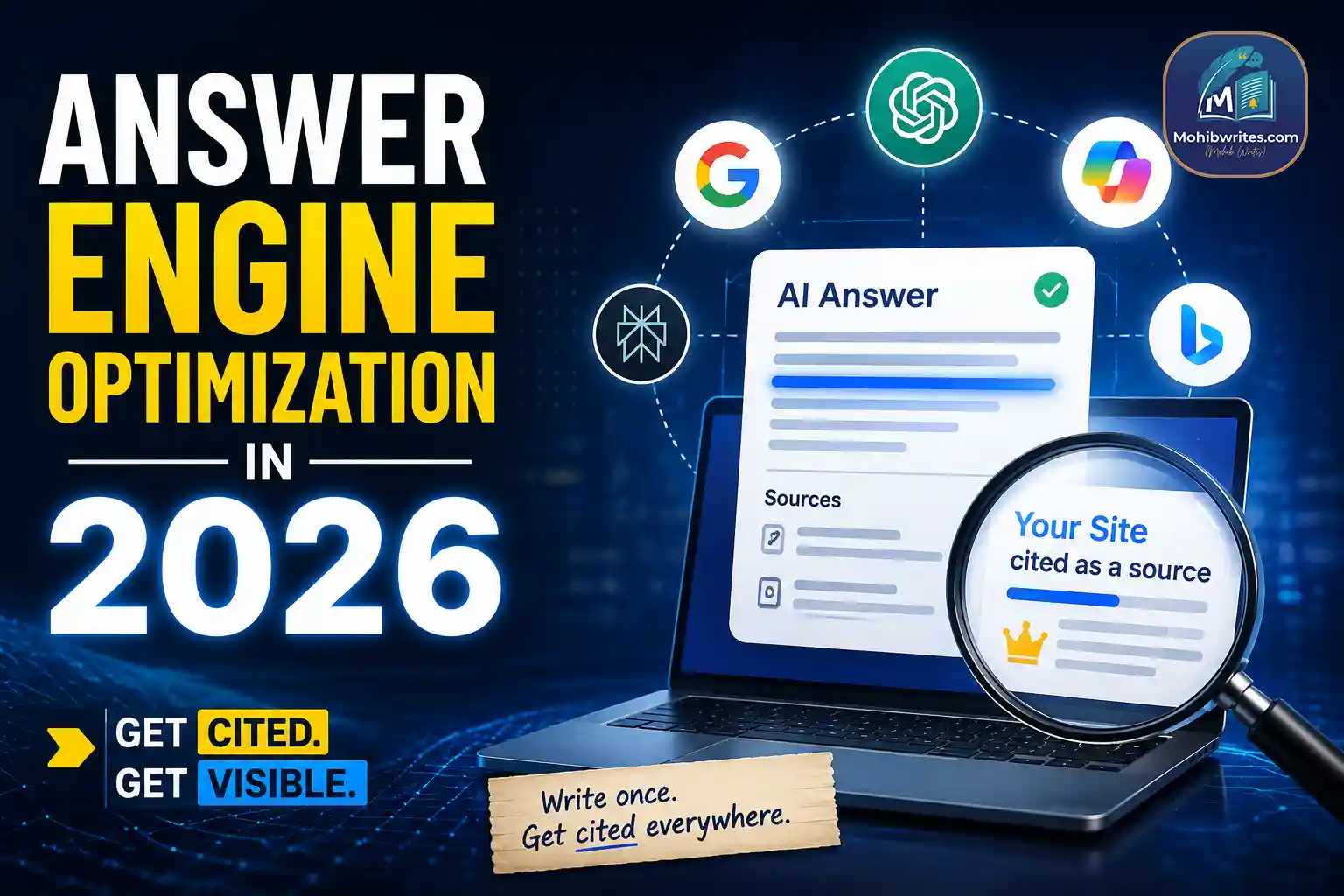
The one consistent finding across studies: getting cited still pays off. Brands cited in an AI Overview earn about 120% more organic clicks per impression than uncited brands answering the same query. That’s the entire premise behind the AI visibility tracking category.
Two Kinds of Tools, Different Jobs
Content optimization platforms help you research keywords and shape pages to rank in traditional search and get pulled into AI summaries. Clearscope is generally rated strongest for optimizing already-written content against top-ranking competitors, while Ahrefs’ AI Content Helper scores topical coverage for existing Ahrefs users. Surfer SEO remains the category favorite for real-time on-page scoring, including a Google Docs integration that shows your SEO score as you write. whatagraph vezadigital
AI visibility and citation trackers monitor a different thing entirely: whether your brand actually appears, and gets linked to, inside chatbot answers. This category is expanding fast — the GEO market is estimated at $7.3 billion and growing at a 34% annual rate, with 98% of enterprise CMOs planning to invest in it, yet only about 14% of marketers currently track AI citations at all. Coverage varies by tool: Semrush’s AI Visibility Toolkit tracks ChatGPT, Gemini, and Google’s AI surfaces but not Claude, while Peec AI covers ChatGPT, Perplexity, and Gemini without Claude. quickseo ReachLLM
| Category | Examples | Best for | Typical price |
| Content optimization | Surfer, Clearscope, Ahrefs AI Content Helper | On-page/content scoring | $79–$200+/mo |
| AI visibility tracking | Profound, Peec AI, Otterly.AI, Semrush AI Visibility | Citation monitoring across LLMs | $29–$5,000+/mo |
Pricing spans an enormous range. Entry-level trackers start around $79/month, while enterprise citation platforms like Profound’s top tier run $5,000 or more per month, so scope matters more than brand recognition when picking a plan.
What to Prioritize When Choosing
Look past “mentions” to citations specifically. A brand can be name-dropped in an AI answer without a single source link pointing to its site — the real win is when the engine names and links the domain directly. Also check engine overlap before assuming one tool covers everything: citation overlap across major chatbots runs around 11%, and brand mention rates can swing by 50 percentage points between engines, so tracking only ChatGPT will miss what’s happening on Perplexity or Gemini.
Bottom Line
Don’t replace your existing SEO stack — layer a citation tracker on top of it. Start with one content optimizer and one AI visibility tool covering the two or three engines your audience actually uses, then expand once you know where your citation gaps really are.
People Also Ask:
What’s the difference between an AI SEO tool and a GEO tool?
“AI SEO tools” broadly covers any AI-assisted platform for keyword research or content optimization. GEO (generative engine optimization) tools specifically track and improve how often a brand is cited inside AI-generated answers like ChatGPT or Google AI Overviews.
Do I still need traditional SEO tools if I add AI visibility tracking?
Yes. Content optimization tools improve the underlying pages that AI engines pull from, while visibility trackers only measure citation outcomes — they don’t fix the content itself.
How much should I expect to pay for AI SEO tools?
Entry-level citation trackers start around $29–$79 per month, mid-tier options with competitive benchmarking run $200–$500, and enterprise platforms with API access can exceed $1,000–$5,000 monthly.
Which AI platforms should I track first?
Start with the engines your audience actually uses. ChatGPT and Google AI Overviews have the broadest reach, but Perplexity is worth prioritizing if your audience clicks through on cited sources, since Perplexity shows numbered source links directly in its answers.
Does ranking #1 on Google still matter if AI Overviews are everywhere?
It matters, but differently. Research indicates ranking #1 today delivers roughly the traffic that ranking #3 delivered before AI Overviews, and citation inside the AI summary itself is now often more valuable than the organic ranking position underneath it.